


Gas vs Charcoal vs Pellet Grills: Which One Is Right for You?

A complete buyer’s guide to help you choose the perfect grill for your backyard cooking style.
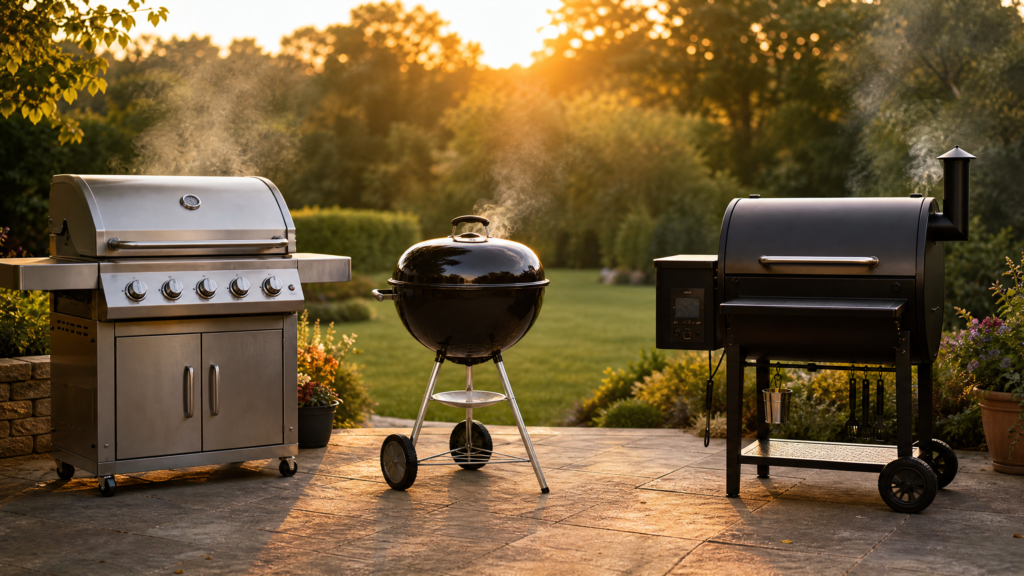
If you are shopping for a new grill, you have probably noticed there are three main types dominating the market: gas grills, charcoal grills, and pellet grills. Each one has its own strengths, weaknesses, and loyal fan base. Choosing the wrong type can lead to frustration, wasted money, and food that does not taste the way you imagined.
In this guide, we break down every important difference between gas, charcoal, and pellet grills so you can make a confident decision. Whether you are a weekend warrior grilling burgers for the family or an aspiring pitmaster chasing the perfect brisket, this article will help you find the grill that matches your needs, budget, and cooking style.
How Each Grill Type Works
Before we compare performance, it helps to understand the basic mechanics behind each type of grill.
Gas Grills
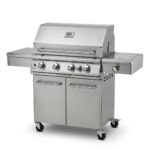
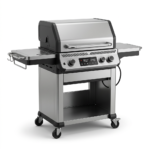
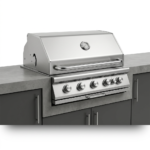
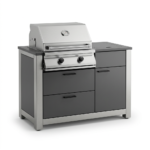
Gas grills run on either propane (from a refillable tank) or natural gas (piped directly from your home). When you turn the control knobs, gas flows through burner tubes and ignites, producing an open flame beneath the cooking grates. Heat is distributed across the cooking surface by metal heat deflectors, lava rocks, or ceramic briquettes.
Most gas grills feature multiple burners — typically between two and six — which allows you to create different heat zones on the same cooking surface. This makes gas grills extremely versatile for cooking different foods at the same time.
Charcoal Grills
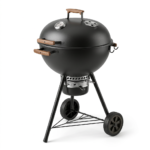
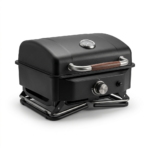
Charcoal grills burn lump charcoal or charcoal briquettes as their fuel source. You light the charcoal using a chimney starter, electric starter, or lighter fluid, and once the coals are covered in a layer of white ash, they are ready for cooking. Heat is controlled by adjusting air vents on the top and bottom of the grill — more airflow means hotter coals, less airflow means lower temperatures.
Charcoal grills come in many shapes and sizes, from the classic kettle grill to barrel grills and kamado-style ceramic cookers. The design is simple, but the flavor they produce is considered by many to be the gold standard of outdoor cooking.
Pellet Grills
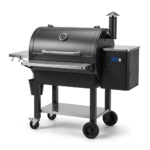
Pellet grills (also called pellet smokers) are powered by electricity and burn compressed wood pellets as fuel. An auger feeds pellets from a hopper into a fire pot, where they are ignited by a hot rod. A fan circulates heat and smoke throughout the cooking chamber, maintaining a precise temperature that you set on a digital controller — similar to an oven.
Pellet grills combine the convenience of gas with the wood-fired flavor of charcoal, which is why they have become one of the fastest-growing segments in the outdoor cooking market.
Flavor Comparison
Flavor is often the number one reason people choose one grill type over another. Here is how each one performs.
Charcoal: The Flavor Champion
When it comes to pure, smoky, char-grilled flavor, charcoal is king. The high heat produced by burning charcoal creates an intense sear on meats, and the smoke produced by dripping fat and juices hitting the hot coals adds a distinctive flavor that gas simply cannot replicate. Many competition BBQ teams and professional pitmasters prefer charcoal for this reason.
If you love the taste of a perfectly seared steak with a crusty exterior and a juicy interior, or if you enjoy the ritual of building and managing a live fire, charcoal is the way to go.
Pellet: The Wood-Fired Contender
Pellet grills produce a milder, more nuanced smoke flavor compared to charcoal. Because they burn real wood pellets (available in varieties like hickory, mesquite, apple, and cherry), you can experiment with different wood flavors to complement different types of meat. The flavor is closer to traditional offset smoking than to charcoal grilling.
However, pellet grills do not reach the extremely high temperatures needed for a hard sear. Some models include a direct-flame option or a separate searing station to address this limitation, but purists argue that the sear on a pellet grill still does not match what charcoal or gas can achieve.
Gas: The Convenient Choice
Gas grills produce the mildest flavor of the three. Because propane and natural gas burn cleanly, there is minimal smoke production. You will still get some char and caramelization from the high heat, but the deep, smoky flavor that charcoal and pellet grills deliver will be noticeably absent.
That said, many gas grill owners add smoker boxes or wood chip trays to introduce smoke flavor. While this helps, it is still not quite the same as cooking over real wood or charcoal. Gas is best for cooks who prioritize speed and convenience over maximum flavor.
Temperature Control and Convenience
Gas: Instant and Precise
Gas grills are the most convenient option for everyday cooking. They heat up in 10 to 15 minutes, and temperature is controlled by simply turning a knob — just like your kitchen stove. There is no waiting for coals to ash over, no pellets to refill, and no guesswork involved.
Multiple burners allow you to create direct and indirect heat zones, so you can sear a steak over high heat on one side while gently cooking vegetables on the other. Cleanup is also straightforward — most gas grills have removable grease trays and porcelain-coated grates that are easy to brush clean.
Pellet: Set It and Forget It
Pellet grills offer the best temperature precision of any grill type. The digital controller maintains your set temperature within a few degrees, and many models come with Wi-Fi connectivity so you can monitor and adjust your cook from your phone. This makes pellet grills ideal for long, low-and-slow smoking sessions where consistent temperature is critical.
The trade-off is that pellet grills require electricity to operate, so you need an outdoor outlet or a generator. They also take longer to preheat than gas grills — typically 15 to 20 minutes — and the auger and fan produce a low mechanical hum during operation.
Charcoal: Hands-On and Rewarding
Charcoal grills require the most skill and attention. Building a fire, waiting for the coals to reach the right temperature, and managing airflow through the vents all take practice. There is no dial to turn — you control the heat by arranging the coals, opening or closing vents, and adding more fuel as needed.
For many enthusiasts, this hands-on process is part of the appeal. There is a deep satisfaction that comes from mastering fire management and producing incredible food through skill rather than technology. However, if you are looking for a quick weeknight dinner solution, charcoal may feel like too much work.
Cost Comparison
| Factor | Gas Grills | Charcoal Grills | Pellet Grills |
| Entry-level price | $150–$400 | $50–$200 | $400–$600 |
| Mid-range price | $400–$1,000 | $200–$500 | $600–$1,200 |
| Premium price | $1,000–$5,000+ | $500–$2,000+ | $1,200–$3,500+ |
| Fuel cost (per cook) | ~$1–$2 (propane) | ~$2–$5 (charcoal) | ~$1–$3 (pellets) |
| Maintenance cost | Low | Very low | Moderate |
Charcoal grills are the most affordable to buy, with basic kettle grills starting under $100. Gas grills offer the best balance of price and features in the mid-range. Pellet grills tend to have the highest entry price due to their electronic components, but prices have been coming down as the technology becomes more popular.
Which Grill Should You Buy?
Here is a simple decision framework based on your priorities:
Choose a gas grill if:
•You want the fastest, most convenient grilling experience
•You cook outdoors frequently and value quick startup
•You prefer easy cleanup and minimal maintenance
•You are cooking for a family and need reliable, even heat
Choose a charcoal grill if:
•Flavor is your top priority
•You enjoy the hands-on process of fire management
•You want the highest possible searing temperatures
•You are on a tighter budget
Choose a pellet grill if:
•You want to smoke meats low-and-slow with minimal effort
•You value precise, set-and-forget temperature control
•You want to experiment with different wood flavors
•You are willing to invest more for advanced technology
Versatility: What Can You Cook?
Each grill type excels at different styles of cooking, and understanding these strengths can help you decide which one fits your culinary ambitions.
Gas grills are the most versatile for everyday cooking. They handle burgers, steaks, chicken, fish, and vegetables with ease, and many models come with side burners for heating sauces and side dishes. If you want one grill that can handle weeknight dinners and weekend cookouts equally well, gas is a strong choice.
Charcoal grills are the best option for high-heat searing and achieving a restaurant-quality crust on steaks and chops. Kamado-style charcoal grills are also excellent for low-and-slow smoking, pizza baking, and even bread making, making them surprisingly versatile despite their simple fuel source.
Pellet grills are the undisputed champions of smoking and low-and-slow barbecue. Brisket, pulled pork, ribs, and whole chickens all turn out beautifully on a pellet grill with minimal effort. Many pellet grills can also bake, roast, and braise, functioning almost like an outdoor convection oven. However, they are the weakest option for high-heat searing.
Final Thoughts
There is no single “best” grill — only the best grill for you. Many serious outdoor cooks eventually own more than one type, using a gas grill for quick weeknight dinners and a charcoal or pellet grill for weekend smoking sessions.
Whatever you choose, the most important thing is that you get outside, fire up your grill, and enjoy the process of cooking great food for the people you care about. That is what BBQ is all about.
Ready to find your perfect grill? Browse our full selection of gas, charcoal, and pellet grills at BAQQER.com and take advantage of our current deals.